
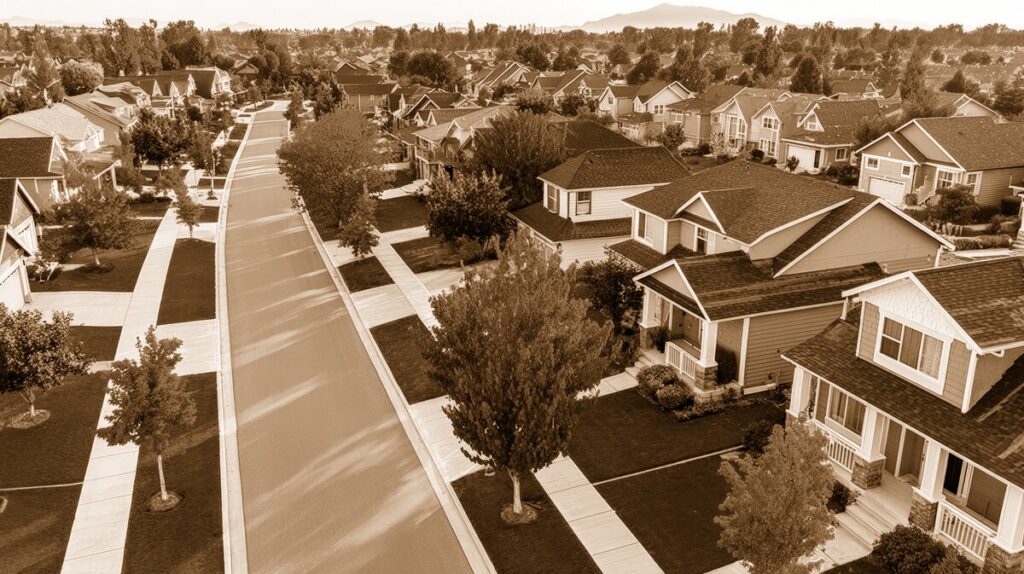
Nestled comfortably in the heart of Southlake, Texas, the Monticello neighborhood stands as a testament to timeless community values, architectural charm, and a rich local history. Over the years, Monticello has grown from undeveloped pastureland into a beloved neighborhood, retaining its character while adapting to the changing rhythms of Southlake life. Whether you’re a longtime resident or a newcomer, understanding Monticello’s origins and evolution gives you a deeper appreciation of what makes this place truly special.
The Origins of Monticello
Monticello’s story begins in the 1980s, during a period of dramatic growth for Southlake. As nearby DFW Airport fueled the region’s expansion, demand for upscale, family-focused communities spurred development across Tarrant County. Monticello was conceived as one of Southlake’s premier residential enclaves, offering spacious lots, mature trees, and a tranquil escape from urban hustle.
But why the name Monticello? The developers looked east for inspiration—specifically to Thomas Jefferson’s Monticello estate in Virginia. The name reflected their vision of classically inspired homes, graceful landscapes, and the promise of a close-knit neighborhood. This nod to Jefferson’s legacy also set the stage for the elegant, Colonial and traditional architectural styles that would define the community.
Key Historical Milestones
A drive down Monticello Drive, the neighborhood’s main artery, offers glimpses into its layered history:
- 1984 – 1988: The earliest homes sprung up along Monticello Drive and Rockingham Court, setting the neighborhood’s tone with generous setbacks, brick façades, and manicured lawns. Many of these early homeowners remain today, fostering a remarkable sense of continuity.
- 1990s: As Southlake incorporated in 1956 but truly boomed in the 1990s, Monticello became known for its active neighborhood association, hosting social events and holiday gatherings that helped knit the community together.
- Southlake Carroll ISD Connection: One of Monticello’s early draws was its location within the revered Carroll Independent School District. The proximity to Carroll Senior High School (just a few minutes down S. Peytonville Avenue) ensured enduring appeal for families seeking both prestige and education excellence.
- 1995 – The Grand Park Addition: Residents’ desire for green spaces led to the establishment of neighborhood parks and walking trails. Today, the pocket park on Nottingham Avenue remains a favorite for playdates and evening strolls.
Notable Landmarks and Institutions
Walking through Monticello, several sites stand as quiet sentinels of its heritage:
- The Gazebo at Monticello Drive & Berkshire Lane: This charming gazebo, tucked amid oak trees, serves as the setting for neighborhood picnics and seasonal celebrations.
- The Historic Oak Rows: Many of Southlake’s original Post Oak trees were preserved during construction, lending the streets—especially along Kensington Court—the stately air of an old Texas estate.
- Neighborhood Clubhouse: Once a meeting place for planning committees, the Monticello clubhouse now hosts community gatherings, book clubs, and voter registration drives—a hub of civic involvement.
- Carroll Senior High School: While not within Monticello proper, its presence just to the west on N. White Chapel Boulevard has indelibly shaped the neighborhood’s identity.
Streets That Tell Stories
Monticello’s street names—Nottingham, Rockingham, Berkshire, and Coventry—were chosen to evoke the genteel English countryside, reinforcing the neighborhood’s classic ambiance. Residents often cite evening strolls down these winding lanes as their favorite way to decompress.
- Rockingham Court: Home to several original homeowners, this cul-de-sac is known for holiday light displays and neighborly gatherings.
- Windsor Court: With its beautifully landscaped yards and mature shade trees, Windsor Court exemplifies the pride Monticello residents take in their properties.
Evolution Through the Decades
Though Monticello preserves its historic character, it has gracefully adapted to modern life:
- Home Renovations: Many of the original homes have undergone tasteful renovations, blending period-appropriate finishes with energy-efficient upgrades.
- Community Spirit: The annual Monticello Spring Fling and Fall Festival, hosted at the gazebo and clubhouse, reflect the neighborhood’s enduring commitment to togetherness and family fun.
- Aging in Place: The generous lot sizes and single-story architectural options make Monticello especially popular with empty nesters looking to “age in place” while staying close to children and grandchildren in the greater Southlake area.
What Makes Monticello Special?
Ask any resident, and you'll hear variations on a few themes:
- A palpable sense of history and permanence
- Neighborly traditions passed down through generations
- Proximity to Southlake’s vibrant Town Square, yet tucked away from busy thoroughfares
- Tree-lined streets that beckon evening walks and impromptu conversations
Monticello remains a microcosm of all that makes Southlake special—a place where neighbors know your name, history is honored, and each street tells its own quiet story.
A Neighborhood with Lasting Appeal
While Southlake’s growth continues at a rapid pace, Monticello stands firm—cherished by those who call it home and admired by prospective residents for its rare blend of tradition, beauty, and community spirit. From the stately homes lining Monticello Drive to the laughter that spills out across its parks and trails, the neighborhood holds fast to the values that first inspired its creation.
Whether you’re glimpsing the autumn leaves along Berkshire Lane, attending a community event at the clubhouse, or simply pausing under the shade of an ancient oak, it’s easy to see why Monticello occupies a special place in the collective heart of Southlake.
Monticello is more than a neighborhood; it’s a living legacy—one that continues to write its own beautiful history, one generation at a time.